

How Sustainable Handbag Brands Reduce Packaging Waste
With the growing emphasis on environmental responsibility, handbag brands in the fashion industry are stepping up and making impressive progress towards sustainability. In this article, we explore the ways in which sustainable handbag brands reduce packaging waste, highlighting the eco-friendly practices that make a positive impact on the planet.
The Environmental Impact of Packaging Waste
Whether it's a handbag or a shoe, a chocolate candy bar or chewing gum, we rarely think about how the wrapping affects the environment when dispose of. What you may not be aware of is that packaging waste is a significant contributor to environmental degradation.
The Environmental Protection Agency (EPA) states that packaging materials make up a substantial portion of municipal solid waste. This waste includes paper, plastics, glass, and metals, much of which is not recycled and ultimately finds its way into landfills or oceans. Eco-conscious brands in the fashion industry recognize the need for change, particularly in excessive packaging, and are prioritizing sustainability.
The Growth of Sustainable Fashion
As stated in previous articles, sustainable fashion goes beyond just a passing trend. It is a movement towards responsible production and consumption. Handbag brands are at the forefront of this movement, adopting innovative waste reduction strategies to minimize their environmental footprint. These brands are rethinking their packaging methods to align with their eco-friendly handbags and broader sustainability goals.
Strategies for Packaging Reduction
1. Sustainable Materials
One of the most effective ways of minimizing waste from packaging is to utilize sustainable materials. Handbag manufacturers all over the globe are implementing recyclable packaging made from recycled paper, biodegradable plastics, and even alternatives derived from plants. These materials not only reduce the quantity of waste produced, but also limit negative effects of environmental consequences of production and disposal.
Types of Sustainable Materials Used:
Recycled Paper: Made from post-consumer waste, this material is widely used for packaging boxes and bags.
Biodegradable Plastics: Derived from natural sources such as cornstarch or sugarcane, these plastics break down more quickly than traditional plastics.
Plant-Based Materials: Includes materials like mushroom packaging, which is compostable and renewable.
Recycled Fabrics: Used for reusable packaging options like fabric bags, often made from recycled cotton or PET bottles.
2. Minimalist Packaging Designs
Another approach that eco-conscious brands typically take is to design their packaging as simple as possible. This method is the minimalist approach. A simple yet effective method of simplifying packaging, and allowing brands to significantly reduce the amount of material that is needed. By adopting this approach, not only enhances the aesthetic appeal of the product, but also contributes to a more sustainable future.
3. Reusable Packaging Solutions
Some ethical fashion brands have already introduced reusable packaging solutions, which aim to reduce packaging and, thus, waste. With this packaging alternative, customers have the opportunity to repurpose fabric bags, boxes, and pouches. This method of reusable packaging, not only reduces waste, but also offers additional value to the customer, which in turn helps to cultivate brand loyalty.
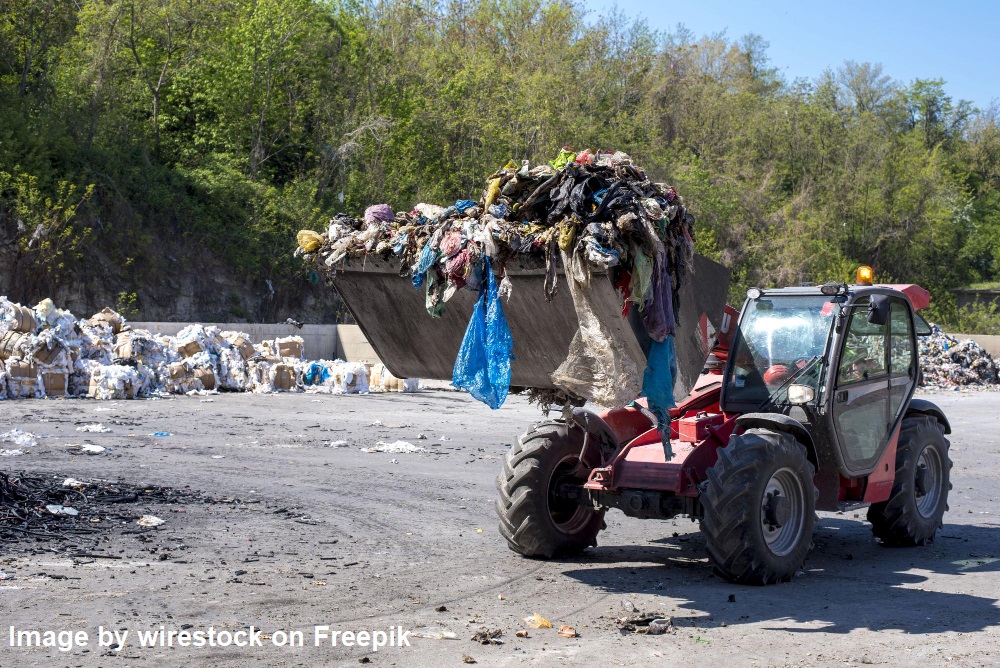
Traditional Packaging vs. Sustainable Packaging
Traditional Packaging
Traditional packaging, often relying on materials like plastic, glass, and metals, has been essential for protecting goods and ensuring their safe transport. However, it typically involves significant environmental costs, such as resource depletion and pollution.
Single-use Plastics: Commonly used for wrapping and cushioning, they take hundreds of years to decompose and contribute significantly to landfill waste and ocean pollution.
An interesting fact: According to the Ellen MacArthur Foundation, by 2050, there could be more plastic than fish in the oceans by weight if current trends continue (Ellen MacArthur Foundation, 2016). This alarming statistic highlights the urgent need for change in packaging practices.
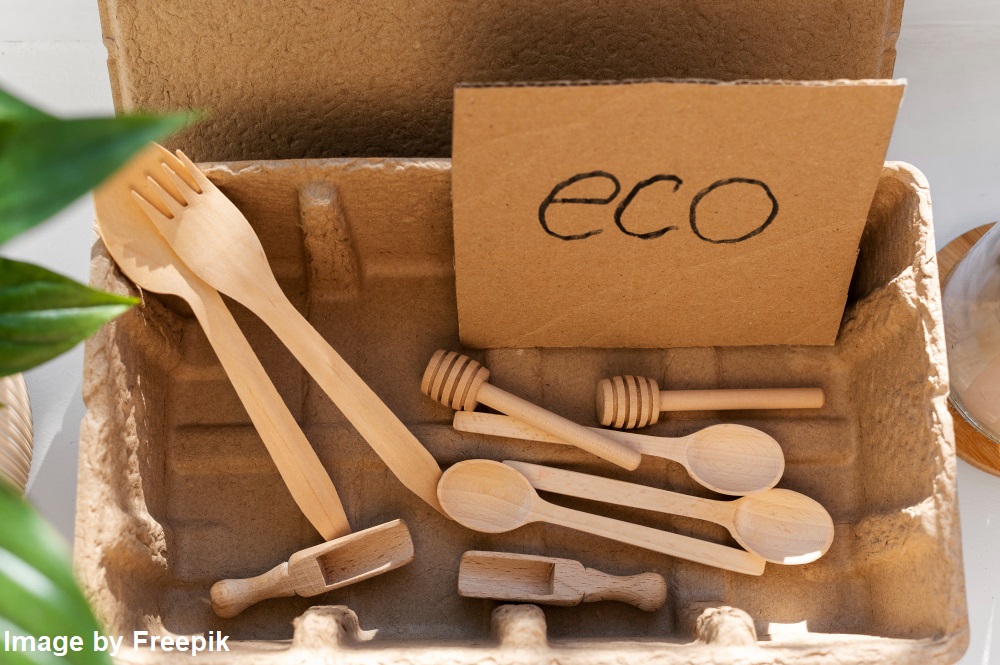
Sustainable Packaging
Sustainable packaging aims to mitigate these impacts by using eco-friendly materials, reducing waste, and enhancing recyclability. Eco-friendly packaging solutions not only minimize the environmental footprint, but also align with growing consumer demand for greener products. By adopting sustainable practices, companies can reduce their ecological impact while meeting modern packaging requires effectively.
Recyclable Packaging: Made from recycled materials, it reduces the need for virgin resources and decreases waste.
Biodegradable and Compostable Materials: These break down more quickly and safely, returning to the earth without leaving harmful residues.
Water-based Inks: Used instead of chemical inks, these are less toxic and have a lower environmental impact.
A compelling fact: Switching to biodegradable packaging for just 10% of global packaging could prevent 100 million tons of plastic waste from entering the environment annually (European Bioplastics, 2019). This demonstrates the significant impact that sustainable packaging can have on reducing environmental pollution.
Benefits to the Environment
Reduced Waste: Sustainable packaging leads to less waste in landfills and oceans, helping to mitigate pollution.
Lower Carbon Footprint: Using recycled and plant-based materials generally requires less energy and produces fewer greenhouse gasses.
Conservation of Resources: Sustainable packaging practices help conserve natural resources, promoting a more circular economy.
Biodiversity Protection: By reducing deforestation and pollution, sustainable packaging helps protect ecosystems and wildlife.
Green Initiatives in Fashion
Green initiatives are becoming commonplace in the fashion industry. Many brands are prioritizing sustainable packaging and actively implementing comprehensive sustainability programs. These programs frequently include the reduction of carbon footprints, using renewable energy, and ensuring fair labor practices. Such holistic approaches emphasize the commitment of these brands to sustainability.
Practical Example of Leading Brands
1. Stella McCartney
Stella McCartney stands at the forefront of sustainable fashion innovation. The brand has achieved remarkable progress in minimizing packaging waste by incorporating recycled and biodegradable materials. This dedication to sustainability permeates all facets of their operations, establishing Stella McCartney as a trailblazer in eco-conscious fashion.
2. Patagonia
Known for its environmental activism, Patagonia has been a trailblazer in adopting sustainable practices. The brand uses minimal and recyclable packaging for its products. Patagonia also encourages customers to recycle their packaging through various initiatives, setting an example for the industry.
3. Matt & Nat
Matt & Nat, a vegan handbag brand, emphasizes the use of recycled materials in both their products and packaging. The brand’s commitment to zero waste fashion is evident in their innovative packaging solutions that prioritize sustainability.
The Role of Consumers
Consumers play a crucial role in driving the shift towards sustainable packaging. As awareness of environmental issues grows, more customers are seeking out brands that align with their values. This demand for eco-friendly handbags and sustainable packaging is pushing more brands to adopt green practices.
How to Make a Difference
Choose eco-friendly brands: Support brands that prioritize sustainable practices.
Opt for minimal packaging: Select products with minimalist or reusable packaging.
Recycle packaging: Properly recycle any packaging materials to reduce waste.
Spread awareness: Educate others about the importance of sustainable packaging.
Summary
Sustainable handbag brands have made remarkable progress in their endeavors to reduce packaging waste. They achieve this through the utilizing of sustainable materials, adopting minimalist designs, and implementing reusable solutions. These efforts that are being undertaken not only reduce environmental impact, but also align with the growing consumer demand for eco-conscious products.
Conclusion: A Greener Future for Fashion
It is important that we accept the shift towards sustainable fashion and packaging reduction in order to effectively address the environmental impact of the fashion industry. By adopting innovative strategies and prioritizing eco-friendly practices, handbag brands are leading the way in creating a more sustainable future. We, as consumers, have the power to support these initiatives and make informed choices that contribute to a greener planet.
Let us all work together to create a world where fashion and environmental responsibility naturally go hand in hand.
0 Comments