

Circular Handbag Fashion: Embracing Recycling
Within recent times, the fashion industry has been undergoing major developments to reduce its ecological footprint. One notable development is the emergence of circular handbag fashion, which dramatically alters traditional manufacturing practices by embracing recycling and sustainability.
This intriguing movement, signifies a departure from linear business models of material sourcing, production and disposal, towards a more ethical and environmentally friendly approach. By repurposing discarded materials and employing cutting-edge techniques, circular handbag brands are reshaping the industry landscape and significantly reducing waste. Join us as we look into circular handbag fashion, where every creation can tell a story of resilience and renewal.
What is Circular Handbag Fashion
Circular fashion isn’t just a temporary trend, it represents a significant shift in our approach to clothing production. Instead of the traditional approach of using materials once and then discarding them, circular fashion tries to create a system where we reuse materials. This system is known as a closed-loop system in which materials are consistently repurposed, recycled, or transformed into new items. The mission is to create durable and eco-friendly handbags with the aim of producing less waste and using fewer resources overall.
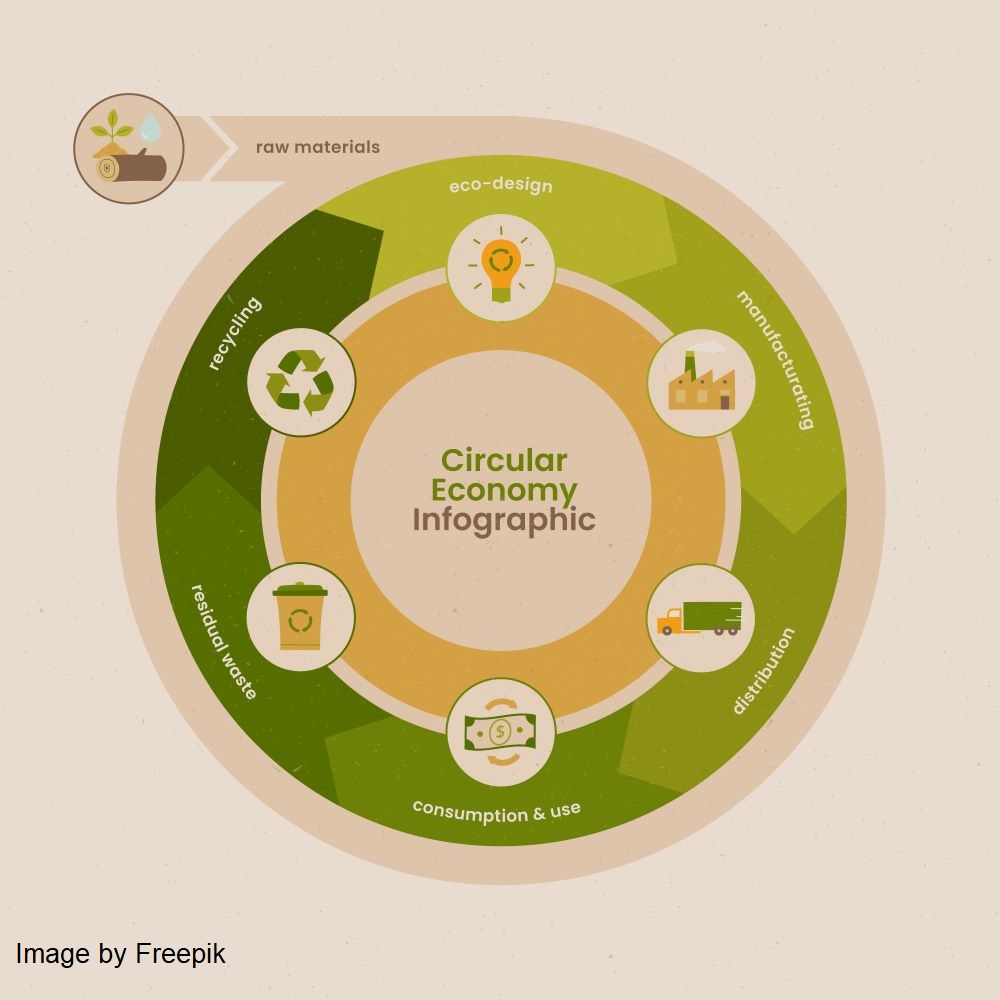
Circular Economy in Handbag Fashion
Handbag fashion is perfectly suited to fully embrace the principles of the circular economy. It’s becoming quite popular among brands to incorporate recycled and upcycled materials into their designs. These handbags are not only fashionable, but they also contribute to a more sustainable future. By focusing on sustainability and creativity, circular fashion is changing the way handbags are being made. Manufacturers are now utilizing recycled plastics for hardware and repurposing vintage textiles for linings, resulting in a more eco-friendly and unique approach to crafting handbags.
Recycling in Handbag Production
Sustainable handbag brands are continually making progress with their inventive techniques in promoting an environmentally friendly route to fashion. By using materials like recycled plastics, textiles, and hardware into their designs, not only aid in reducing waste but also create handbags that are forward-thinking and fashionable which fits well with consumers that are eco-conscious.
Upcycling in Handbag Design
Another important feature of circular fashion is upcycling. Through upcycling, sustainable handbag brands are uncovering new and creative ways to give previously used products a new lease on life. From repurposing vintage textiles to transforming old accessories, these resourceful methods not only help reduce waste, but also provide consumers with a sustainable and fashion-forward alternative.
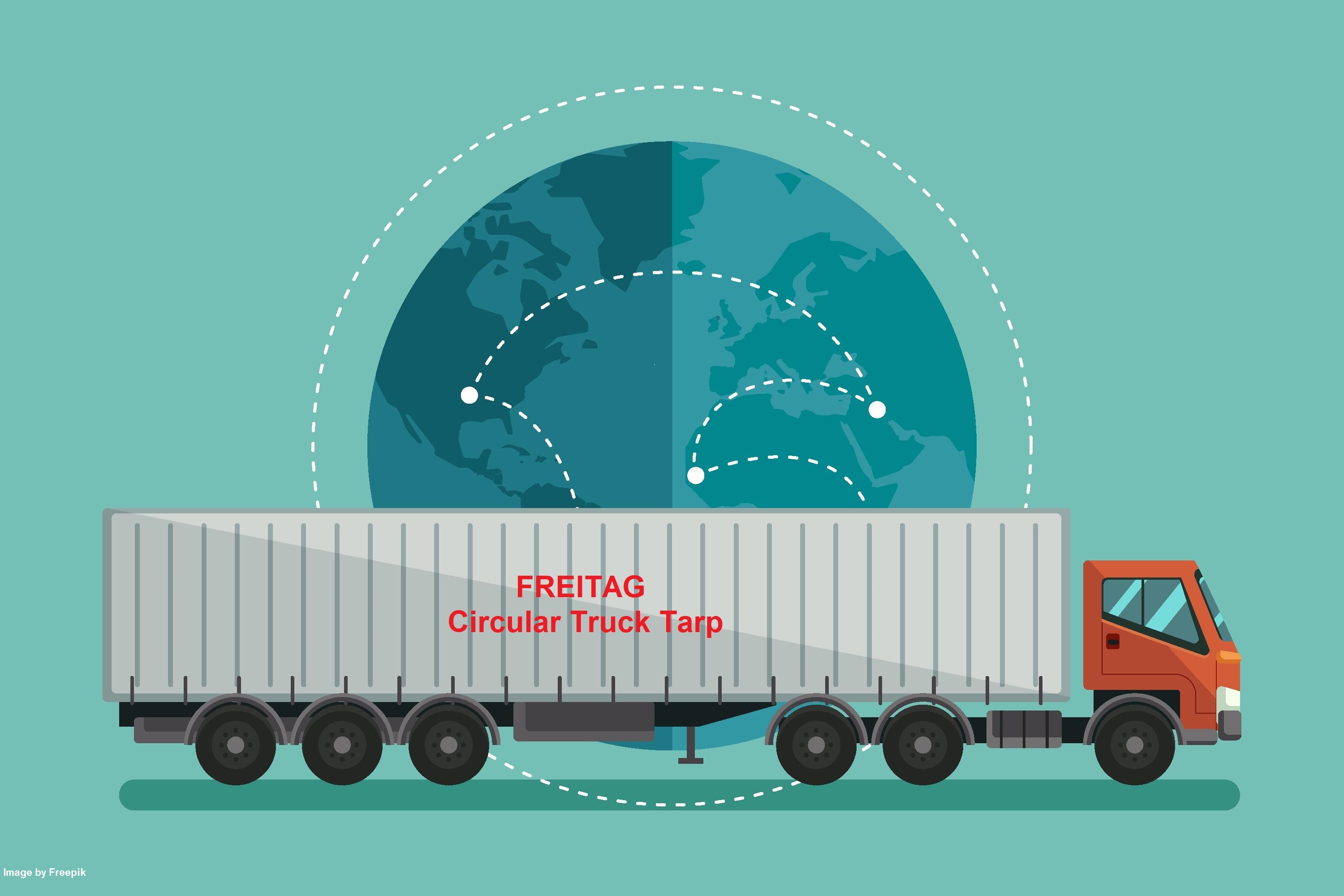
An Example of a Circular Handbag Brand
For consumers, industry professionals and stakeholders who want to learn more about brand efforts to promote sustainability can do so from profiles of handbag brands.
Through a careful analysis of the strategies employed by these brands, consumers can develop a deeper comprehension of the obstacles and prospects that come with shifting towards more sustainable business models.
Example: Circular Brand: Freitag
Freitag is a Swiss brand well-known for its visionary approach to sustainable fashion. The brand was founded by brothers Markus and Daniel Freitag, and is best known for its unique handbags made from recycled truck tarps, seat belts, and bicycle inner tubes. Every Freitag bag is exclusive in design, showcasing the vibrant colors and textures of the original materials.
Approach to Recycling and Upcycling:
Freitag's dedication to circular fashion is visible in its procurement of materials and production processes. The brand’s ingenuity toward waste reduction has been considered remarkable. By collecting used truck tarps from trucking companies across Europe, the company carefully selects and cleans the materials before transforming them into stylish and durable handbags. Apart from truck tarps, Freitag also repurposed materials like seat belts, bicycle inner tubes, and airbags to create its signature accessories.
Impact and Success of Recycling:
Freitag's unique approach to recycling and upcycling has garnered international acclaim and recognition. The brand's sustainable handbags have become a sought-after fashion statement, coveted by eco-conscious consumers and design enthusiasts alike. Freitag has received numerous awards for its innovative designs and sustainable practices, including the German Sustainability Award and the Swiss Design Award.
Through its dedication to circular handbag fashion practices, Freitag has not only reduced waste and environmental impact but also inspired a new generation of designers and consumers to rethink the possibilities of sustainable fashion.
Consumer Impact and Benefits by Embracing Circular Fashion
Circular fashion provides consumers with a wide range of advantages, such as the chance to minimize their ecological footprint and promote sustainable practices. Choosing handbags made from recycled or upcycled materials allows consumers to actively contribute to the battle against waste and pollution, all while showcasing their unique sense of style.
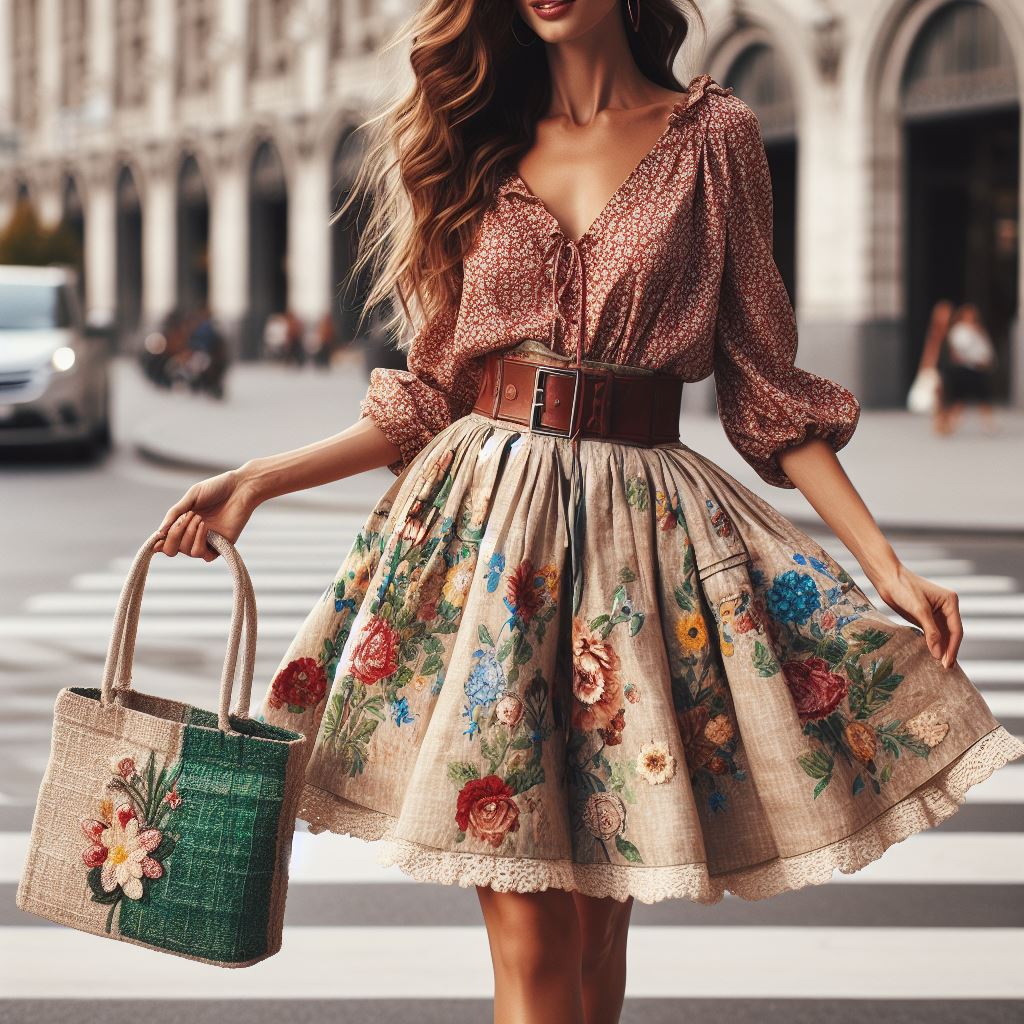
4 Benefits consumers can enjoy by embracing circular fashion:
1. Reducing Environmental Impact:
Choosing handbags made from recycled or upcycled materials significantly reduces the environmental impact of fashion. According to the Ellen MacArthur Foundation, the fashion industry is responsible for 10% of global carbon emissions and consumes more energy than the aviation and shipping industries combined. By supporting circular fashion practices, consumers can help reduce these emissions and mitigate climate change.
2. Supporting Sustainable Practices:
Circular fashion fosters sustainable practices during the entire lifecycle of a product, from acquiring materials to end-of-life disposal. By selecting handbags from brands that prioritize circularity, consumers are inevitably endorsing ethical and sustainable fashion practices, which can give rise to other brands following suit.
3. Access to Unique and Conscious Pieces:
Circular fashion allows consumers the opportunity to own unique and environmentally conscious pieces that convey an essential story. Handbags made from recycled or upcycled materials frequently possess distinctive designs and character, therefore, setting them apart from the mass-produced alternatives. Also, the knowledge of the sustainable journey behind every product adds another level of value and meaning for consumers.
4. Contributing to the Circular Economy:
Supporting circular fashion means that consumers are wholeheartedly contributing to the circular economy, where materials are continuously reused, recycled, or upcycled. This closed-loop system lessens waste and conserves resources, creating a more sustainable and resilient fashion industry for future generations.
Challenges and Opportunities
Although circular fashion provides excellent possibilities for innovation and sustainability, it is not without its own set of challenges. It is necessary to comprehend and address these challenges in order to make significant advancements within the industry. Below are some of the challenges faced:
1. Sourcing Sustainable Materials:
Acquiring sustainable materials is a major challenge for brands committed to circular fashion. As reported by the Sustainable Apparel Coalition, only 21% of apparel and footwear materials are currently sourced sustainably. Scarcity and increased prices of sustainable materials create obstacles for brands interested in adapting to circular fashion practices. Fortunately, initiatives like Textile Exchange's Material Change Index are assisting to track and expedite advancements in this field, providing brands with essential insights and guidelines for sourcing sustainable materials.
2. Educating Consumers:
Another difficulty is educating consumers about the importance of circular fashion and empowering them to make sustainable choices. According to the Fashion Revolution's Fashion Transparency Index, most fashion brands lack transparency about their sustainability practices, hindering consumers from making informed decisions. However, Fashion Revolution #WhoMadeMyClothes campaigns are promoting awareness about the social and environmental impacts of fashion, and demanding brands transparency and accountability.
3. Innovating Supply Chains:
Achieving circular fashion requires innovation and change throughout the entire fashion supply chain. To create a circular economy, brands need to reassess manufacturing methods, invest in new technologies, and collaborate with suppliers and partners. The Ellen MacArthur Foundation's Circular Fibres Initiative is working to accelerate the transition to a circular fashion industry by bringing together stakeholders to develop solutions for circular supply chains and materials.
Despite these challenges, circular fashion promises growth and creativity within the industry. Circularity helps brands differentiate themselves in the market, attract environmentally conscious consumers, and prevent resource scarcity and regulatory challenges. The Global Fashion Agenda's Pulse of the Fashion Industry Report provides brands with the understanding and guidance to redesign their business model to circular fashion successfully.
5 Tips for Embracing Circular Fashion
As consumers, there are several ways we can embrace circular fashion and contribute to a more sustainable and ethical fashion industry.
Here are some tips to assist you in making more informed and conscious choices:
1. Support Sustainable Brands
When shopping, search for handbag brands that prioritize circularity and sustainability in their production practices. Look for certifications like the Global Organic Textile Standard (GOTS) or Cradle to Cradle certification, which ensure that products meet high environmental and social standards.
2. Choose Recycled or Upcycled Materials
Select handbags that are made from recycled or upcycled materials whenever possible. These materials have a lower ecological footprint and help reduce waste by giving new life to existing resources. Patagonia and Rothy’s two commendable brands that demonstrate exemplary use of recycled materials in their products.
3. Extend the Lifespan of Your Handbags
To get the most use of your sustainable handbag, it is essential to properly maintain and care for them. Be diligent with the care instructions provided by the manufacturer and repair any damages promptly. If necessary, you may want to consider professional cleaning or restoration services. By increasing the longevity of your handbags, you reduce the need for new purchases and contribute to reducing waste.
4. Embrace Second-Hand and Vintage
You can venture into the world of second-hand and vintage handbags for a unique and sustainable shopping experience. When you purchase pre-owned handbags, you’re not only giving these products a second chance, but you’re also aiding in reducing demand for new resources and production. Platforms like thredUP and The RealReal offer a wide selection of gently used and vintage handbags from top brands.
5. Dispose Responsibly
It’s important to remember, when the time comes to depart from your handbags, dispose of them responsibly. One option is to donate lightly used items to charity or sell them through consignment stores or online marketplaces. You can also recycle them through programs like TerraCycle's Zero Waste Box program instead of throwing them away and ending up in landfills.
By following these tips and making conscious choices in your handbag purchases and care routines, you can play a significant role in supporting circular fashion and building a more sustainable fashion industry for future generations.
Future Outlook
Advancements in Materials and Technologies
As technology evolves further, we anticipate advancement of sustainable materials and production techniques. Exciting innovations such as bio-based materials, 3D printing, and digital fabrication have the potential to completely transform the way handbags are made, reducing environmental impact and improving efficiency.
Collaboration and Partnerships
One of the key factors in advancing circular fashion is collaboration. Fashion brands, suppliers, policymakers, and NGOs must collaborate in order to develop and implement sustainable and circular fashion solutions. Initiatives like the Fashion Industry Charter for Climate Action and the Circular Fashion Partnership are fostering collaboration and driving collective action towards a more sustainable future.
Consumer Empowerment and Education
Educating consumers why circular fashion matters and empowering them to make more sustainable choices is really important for making a difference. Initiatives like Fashion Revolution's #WhoMadeMyClothes campaign and the Sustainable Apparel Coalition's Higg Index are helping to spread the word and give shoppers the tools to make informed decisions about their fashion purchases that are better for the planet.
Regulatory and Policy Support
Governments and regulatory bodies play a significant role in shaping the future of circular fashion through policy development and enforcement. Legislation and regulations that incentivize sustainable practices and hold brands accountable for their environmental and social impact will be essential for driving systemic change within the industry.
As we look towards the future, it's clear that circular fashion will continue to be a driving force for positive change in the handbag industry. By embracing innovation, collaboration, and consumer empowerment, we can build a more sustainable and circular fashion industry that benefits both people and the planet.
Summary
The emergence of circular fashion in the handbag industry signifies a major turning point for sustainability and innovation. Brands like Matt & Nat and Freitag demonstrate the harmonious blend of style and sustainability, paving the way for a more ethical and environmentally friendly fashion industry.
By embracing recycling and upcycling practices, these brands reduce waste and encourage others to do the same. Circular fashion is reshaping fashion production and consumption through collaborations, new ideas, and consumer education. As consumers, our choices matter. When we support brands that focus in circular fashion and make informed choices about our handbag purchases, we help create a more sustainable economy.
Looking ahead, circular handbag fashion will persevere in shaping the fashion industry. Let’s continue to stay informed, embrace recycling, upcycling, and sustainable practices in our fashion choices. Together, we can all play a part in building a brighter and more sustainable future for generations to come.
References:
For more insights on circular fashion and circular economy, check out the links below:
https://goodonyou.eco/what-is-circular-fashion/
https://unctad.org/topic/trade-and-environment/circular-economy
To know more about the Circular Fibre Initiative click the link below:
https://www.circulardesignguide.com/fibres-archive#:~:text=What's%20the%20Circular.
1 Comments
Nice post. I was checking constantly this weblog and I am inspired! Extrremely useful information specially the last part :) I deeal with such info a lot. I was seeking this particular information for a very lengthy time. Thank you and good luck. https://Www.waste-ndc.pro/community/profile/tressa79906983/